ProNail Complex vs Kerasal Fungal Nail Renewal: Which Is Right for You?
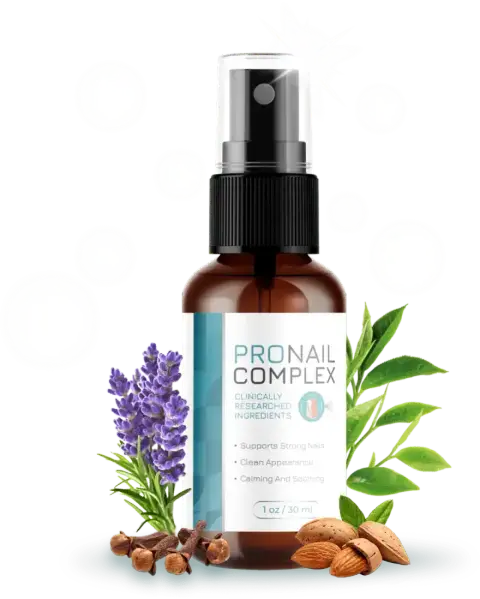
ProNail Complex's 30 ml spray format, applied once daily to the toenail and surrounding skin.
What Kerasal Fungal Nail Renewal actually does
Kerasal is a well-known drugstore name, sold at most major US pharmacies, marketed for the appearance of nails affected by fungus. According to the manufacturer's own product information, its formula combines urea to soften thick, damaged nail layers, lactic acid to gently exfoliate, and propylene glycol to help the formula spread and hydrate. Many users see the nail look smoother and less discolored within weeks.
The important nuance, stated plainly on Kerasal's own site: this is a cosmetic effect. The product improves how the nail looks and feels on the surface, but it does not claim to penetrate the nail bed or eliminate an active fungal infection underneath. For someone who only wants a better-looking nail while a separate antifungal treatment does the real work, that can be a reasonable role to play.
What ProNail Complex is built to do differently
ProNail Complex takes a different angle. Instead of a cosmetic softener, its formula centers on tea tree oil, clove bud oil, lemongrass oil and undecylenic acid, ingredients recognized for antifungal or antimicrobial activity, combined with a micro-particle delivery method meant to help the mist reach into the nail and surrounding skin rather than sit only on top. It is paired with jojoba, almond and flaxseed oils, aloe vera and vitamin E to support the skin around the nail at the same time.
Neither product is an FDA-approved prescription antifungal drug, and results with any topical nail product are gradual, typically requiring three to four months of daily use because toenails simply grow that slowly. The real difference is intent: Kerasal is upfront about being a cosmetic fix, while ProNail Complex's formula is built around ingredients aimed at the fungal environment itself.
What about the new Kerasal + Tea Tree Oil version?
Kerasal now also sells a "Fungal Nail Renewal + Natural Tea Tree Oil" version, so it's fair to ask whether the gap between the two products has closed. Going by Kerasal's own product page, it hasn't. The formula is the same urea, lactic acid and propylene glycol base with tea tree leaf oil added, and the page still describes it as "drug-free" and frames every claim around how the nail looks: less visible discoloration, less thickness, more hydration.
Kerasal's directions are also a useful reality check for any topical nail product: twice a day for the first week, then once a day for at least 8 weeks, with 3 to 6 months suggested for full effect. That is the same slow timeline we describe for ProNail Complex, because the limit is how fast a toenail grows, not the brand.
The difference is what sits next to the tea tree oil. In ProNail Complex, tea tree is combined with undecylenic acid, clove and lemongrass, so the whole formula is built around the fungal environment. In Kerasal, tea tree is an add-on to a softening formula. If a thick, hard nail is your main problem, a softener can make filing easier. If the goal is the environment the fungus lives in, ProNail Complex is the more focused choice.
Kerasal's 2026 line-up: more products, same cosmetic promise
Kerasal's nail range has grown to eight products, so it is worth knowing what the newer ones do before assuming any of them changes the comparison. Two stand out:
- Advanced Clear & Defend Fungal Nail Renewal. Applied once every 3 to 4 days for at least 4 weeks, with a weekly filing of the nail. Kerasal describes it as a "long-lasting barrier to help defend vulnerable nails from recurring signs of damage". It is a protective coating, not an antifungal.
- Nighttime Renewal Fungal Nail Patches. A box of 14 patches worn for 6 to 8 hours, with a fresh patch daily for up to 6 months on badly affected nails. Same urea-based softening idea, delivered overnight.
The clearest statement of where Kerasal draws the line is in its own FAQ: "Prescription treatments kill fungus, while Kerasal Fungal Nail Renewal quickly improves the appearance of nails damaged by it." The brand's footnote describes it as the most recommended "among cosmetic options", and its 8-week study of 72 people measured visible improvement in appearance, not fungal cure. None of that is a knock on Kerasal. It simply confirms that the two products are built for different jobs.
Reverified October 25, 2026 against Kerasal's current product pages: the original, the tea tree version and the newer Clear & Defend and Nighttime Patches are all sold as cosmetic, drug-free products.
Side-by-side comparison
| ProNail Complex | Kerasal Fungal Nail Renewal | |
|---|---|---|
| Format | 30 ml mist spray | Topical solution / brush-on |
| Key ingredients | Tea tree oil, undecylenic acid, clove, lemongrass | Urea, lactic acid, propylene glycol |
| Intended effect | Targets nail and skin environment | Cosmetic softening and smoothing |
| Manufacturer claim | Natural wellness formula, not a drug | Cosmetic; does not treat the infection itself |
| Guarantee | 60-day money-back | Varies by retailer |
Which one should you pick?
- If you want a formula built around antifungal-reputation oils and are comfortable with a natural wellness product, ProNail Complex fits that goal.
- If you mainly want the nail's surface appearance smoothed while you address the cause separately, Kerasal's cosmetic softening may suit that narrower goal.
- Either way, severe, painful or rapidly spreading infections should be evaluated by a doctor or podiatrist rather than managed with any over-the-counter product alone.
See ProNail Complex's current bundle pricing and guarantee
Check Availability & Pricing →